
The Silence of the Sacred: The Forgotten God and the Lost Path of the Soul in the Modern Mind
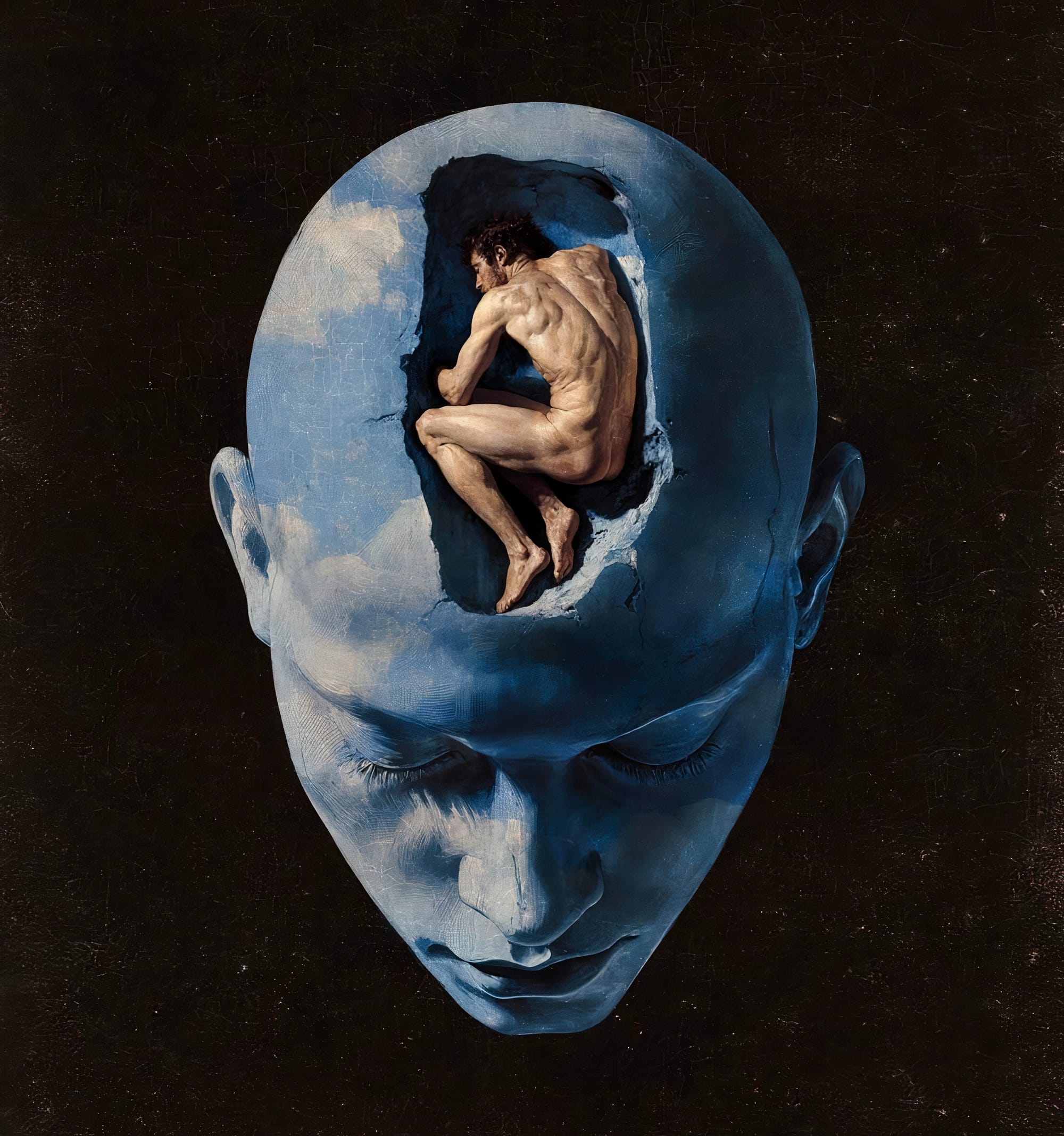
Once, belief was far more than just a doctrine. A person would converse with God not through words, but through feelings, intuition, and deep surrender, when walking barefoot under the stars, leaning against the trunk of a tree, or feeling the wind caressing their hair. God was not beyond us, but within. It was a state of consciousness synchronized with the vibrations of the universe. The human being was a reflection of the universe. And in every mirror, the same sacred eye would gaze back.
But history made us forget this inner wisdom. Religions became institutionalized. The sacred was reduced to certain molds; the boundless spirals of the soul were constrained by the rigid lines of rituals. Symbols that were once created to connect us, eventually replaced the connections themselves. People no longer believed in the meaning; they believed in the symbols. Belief was no longer about feeling, but about obedience. And thus, God ceased to be a sacred being; He became an authority, a figure of power. Yet, God desired neither fear nor worship. He only wished to be remembered — in that ancient frequency that resonates within us.
Modernization accelerated this forgetting. The progressivist ideas that spread from the West turned everything into something measurable. But the soul could not be measured. Thus, the soul was first considered a myth, and then silenced. Rationality became sacred. The darkness within the human heart was sought to be illuminated by laboratory lights. Yet, that darkness was the birthplace of the soul. The unknown was the very heart of the divine. But modern humanity feared the unknown. And systems built upon that fear began to regard the soul as nothing more than matter.
Today, worship is done not by the heart but by the calendar. Silence is not seen as meditation, but as inefficiency. People now live their beliefs not as experiences, but as identities. In its form, belief has transformed into religion, and religion has become a sector. Not a part of the soul, but a part of the system.
And this slowly leads us to the erasure of God. Because God, no longer as an individual intuition, collective energy, or wisdom of the unseen, has dissolved into law books, political rhetoric, and cultural norms. This erasure is like a quiet apocalypse. Because when God withdraws from within us, our inner compass is thrown off. We tried to find direction with technology and connection through data. But the soul still waits — silent, patient, yearning to be remembered, like a forgotten child in the dark.
Yet some still carry a remembrance within this forgetting. There are those who silently connect with God in a woman's eyes, a dervish's walk, or a child's laughter. There are still people who follow the night not to understand, but to feel. For these people, belief is still a frequency, a meeting, a threshold. And that threshold cannot be fully defined in any temple, book, or culture. It opens within. It is an unseen threshold, drawn upon the walls of every individual's heart.
Kutsalın Sessizliği: Modern Zihnin Unuttuğu Tanrı ve Ruhun Kaybolan Yolu
Bir zamanlar inanç, bir öğretiden çok daha fazlasıydı. İnsan, yıldızların altında çıplak ayak yürürken hissettiği titreşimde, bir ağacın gövdesine yaslandığında duyduğu sessizlikte, rüzgârın saçlarını okşayışında Tanrı’yla konuşurdu. Bu konuşma kelimelerle değil; hisle, sezgiyle, derin bir teslimiyetle olurdu. Çünkü Tanrı, dışarda değil, içerideydi. Evrenin titreşimiyle senkronize olmuş bir bilinç hâliydi. İnsan, evrenin aynasıydı. Ve her aynada aynı kutsal göz bakardı.
Ama tarih, bu içsel bilgeliği unutturdu. Dinler kurumsallaştı. Kutsal olan, belirli kalıplara sokuldu; ruhun sonsuz kıvrımları, ritüellerin sabit çizgileriyle daraltıldı. İlk başta bir bağ kurmak için doğan semboller, zamanla bağların yerine geçti. İnsanlar artık sembollere inandı, anlamı unuttu. İnanmak, hissetmekten çok, itaat etmekle eş tutuldu. Ve böylece Tanrı, kutsal bir varlık olmaktan çıktı; bir otoriteye, bir güç figürüne dönüştü. Oysa Tanrı, ne korku isterdi, ne tapınma. O sadece hatırlanmak isterdi — içimizde yankılanan o eski frekansta.
Modernleşme, bu unutuluşun hızını artırdı. Batı’dan yayılan ilerleme düşüncesi, her şeyi ölçülebilir kıldı. Ruh ise ölçülemezdi. Bu yüzden ruh, önce mit sayıldı, sonra susturuldu. Rasyonalite kutsal kılındı. İnsanın kalbindeki karanlık, laboratuvar ışıklarıyla aydınlatılmak istendi. Oysa karanlık, ruhun doğum yeriydi. Bilinmeyen, ilahi olanın ta kendisiydi. Ama modern insan, bilinmeyenden korktu. Ve korkunun üzerine kurulan sistemler, ruhu maddeden ibaret saydı.
Artık ibadetler, kalple değil takvimle yapılıyor. Sessizlik, meditasyon değil verimsizlik sayılıyor. İnsanlar, inançlarını değil, aidiyetlerini yaşıyor. Çünkü inanç, artık bir deneyim değil, bir kimlik. Bir toplumsal pozisyon. Bir forma girmiş hâliyle dine dönüşen inanç, artık bir sektör. Ruhun değil, sistemin parçası.
Ve bu da bizi yavaşça Tanrı’nın bitirilmesine götürüyor. Çünkü Tanrı, bireysel bir sezgi, kolektif bir enerji, görünmeyenin bilgeliği olarak değil; kanun kitaplarında, siyasi gücün söylemlerinde, kültürel normların içinde eriyip yok oluyor. Bu yok oluş, sessiz bir kıyamet gibi. Çünkü Tanrı, içimizden çekildiğinde; içsel pusulamız da bozuldu. Yönümüzü teknolojiyle, bağlantımızı veriyle kurmaya çalıştık. Ama ruh hâlâ orada — suskun, bekleyen ve hatırlanmayı isteyen bir çocuk gibi.
Yine de bazıları, bu unutuluşun içinde bir hatırlayış taşıyor. Bir kadının gözlerinde, bir dervişin yürüyüşünde, bir çocuğun gülüşünde, sessizce Tanrı’yla temas kuranlar var. Hâlâ geceyi anlamak için değil, hissetmek için izleyen insanlar var. Bu insanlar için inanç, hâlâ bir frekans. Bir buluşma. Bir geçiş kapısı. Ve o kapı, hiçbir tapınakta, kitapta, kültürde tam olarak tanımlanamaz. O kapı içte açılır. Herkesin kendi kalbinin duvarına çizdiği, görünmeyen bir eşiktir.